Fully Insured & Licensed
Tree Trimming
Introduction to professional tree trimming
Tree trimming is a precise, experienced task that improves tree health, reduces risk, and enhances the look of your property. Reed's Tree & Lot Service LLC provides professional tree trimming services in Satsuma, AL, tailored to plants’ physiological needs and local environmental conditions. Proper trimming strengthens branch structure, reduces storm risk, and corrects growth patterns.
Why proper tree trimming matters
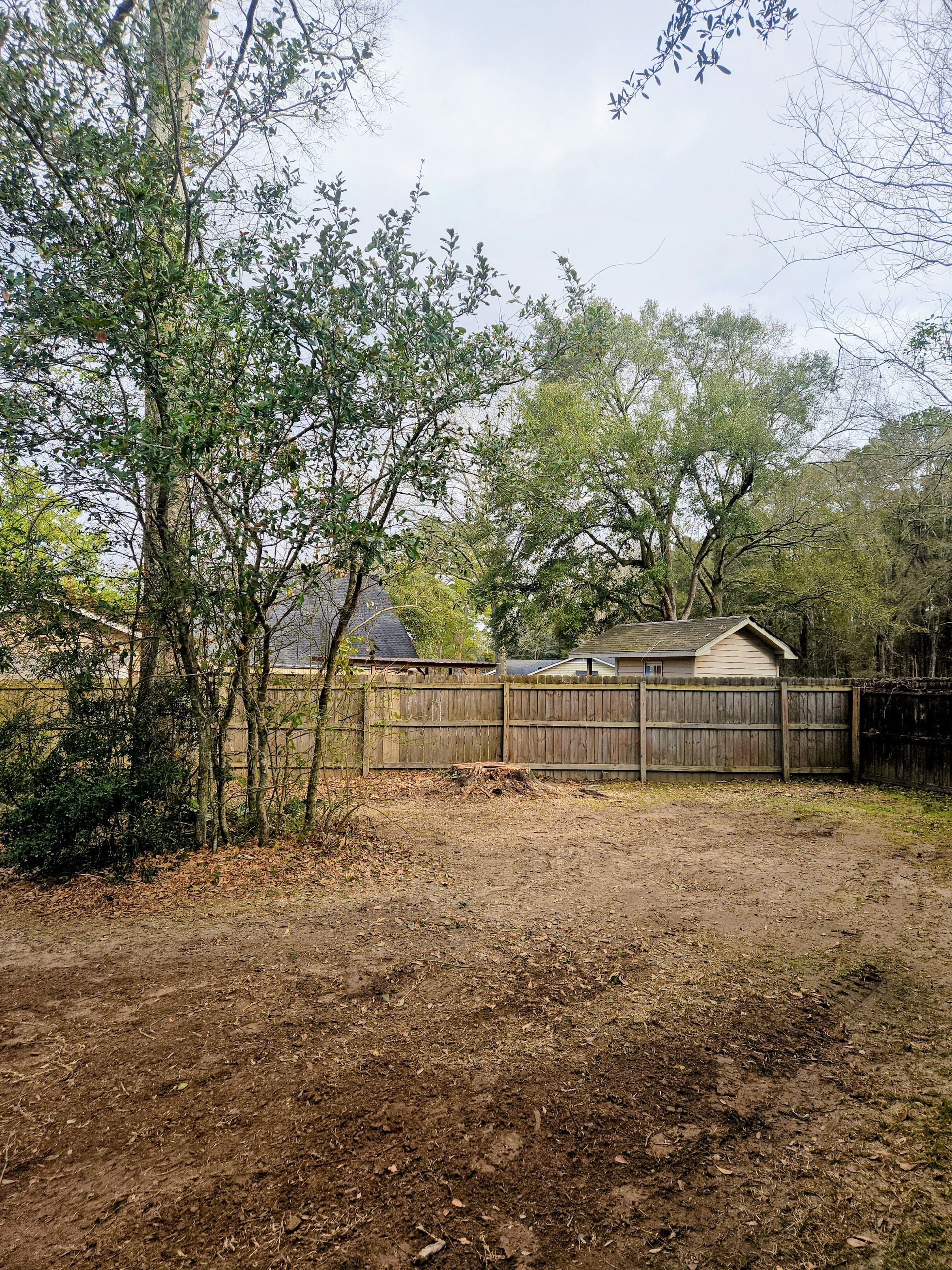
Improper or aggressive trimming can harm trees, leaving them vulnerable to disease and decay. Correct trimming encourage healthy growth, reduce pest pressure, and prevent structural failure. In turn, well-maintained trees add shade, provide energy savings, and increase property value. Trimming is more than removing limbs it's an investment in long-term tree care.
Key benefits of professional tree trimming
Tree health
Removing deadwood, diseased limbs, and crossing branches improves air flow and light penetration and reduces infection risk.
Safety
Reducing weight and eliminating hazards lessens risk during storms and protects structures and people.
Utility clearance
Proper line clearance reduces interference with electrical lines while following utility guidelines.
aesthetics
Trimmed trees improve curb appeal and create balanced canopies that complement landscaping.
Types of trimming services
- Crown thinning: Selective removal of branches to improve wind passage and reduce storm loads.
- Crown reduction: Reducing the overall size of a tree where height or spread is a concern while maintaining overall tree health.
- Deadwood removal: Eliminating dead, broken, or hazardous limbs that could fall unexpectedly.
- Structural shaping: Encouraging a strong central leader and well-spaced scaffold branches, especially important for young trees.
- Canopy cleaning: Removing lower limbs for clearance and clearing interior branches to promote overall canopy health.
Caring for tree health beyond trimming
Trimming is one part of a comprehensive tree care plan. We recommend it with:
- Disease diagnosis and treatment.
- Fertilization and soil amendment.
- Mulching and root care.
How we perform trimming safely and effectively
- Assessment: We evaluate species, branch structure, and health before recommending trimming.
- Plan: An approach is designed to meet objectives—safety, clearance, aesthetics, or health.
- Execution: Crews use aerial lifts, rigging, and certified techniques (ANSI A300) to make precise cuts.
- Clean-up: Branches are removed according to client preference, and care is taken to protect surrounding plants and structures.
When to trim trees
- When limbs are interfering with roofs, gutters, or power lines.
- When branches show signs of decay, cracks, or disease.
- To shape young trees for strong structure.
- After storms to remove damaged or hanging limbs.
- Seasonal timing: Many trees are best trimmed during dormant seasons, but species-specific
timing matters. Our team provides guidance based on species and local climate.
Residential vs. commercial trimming
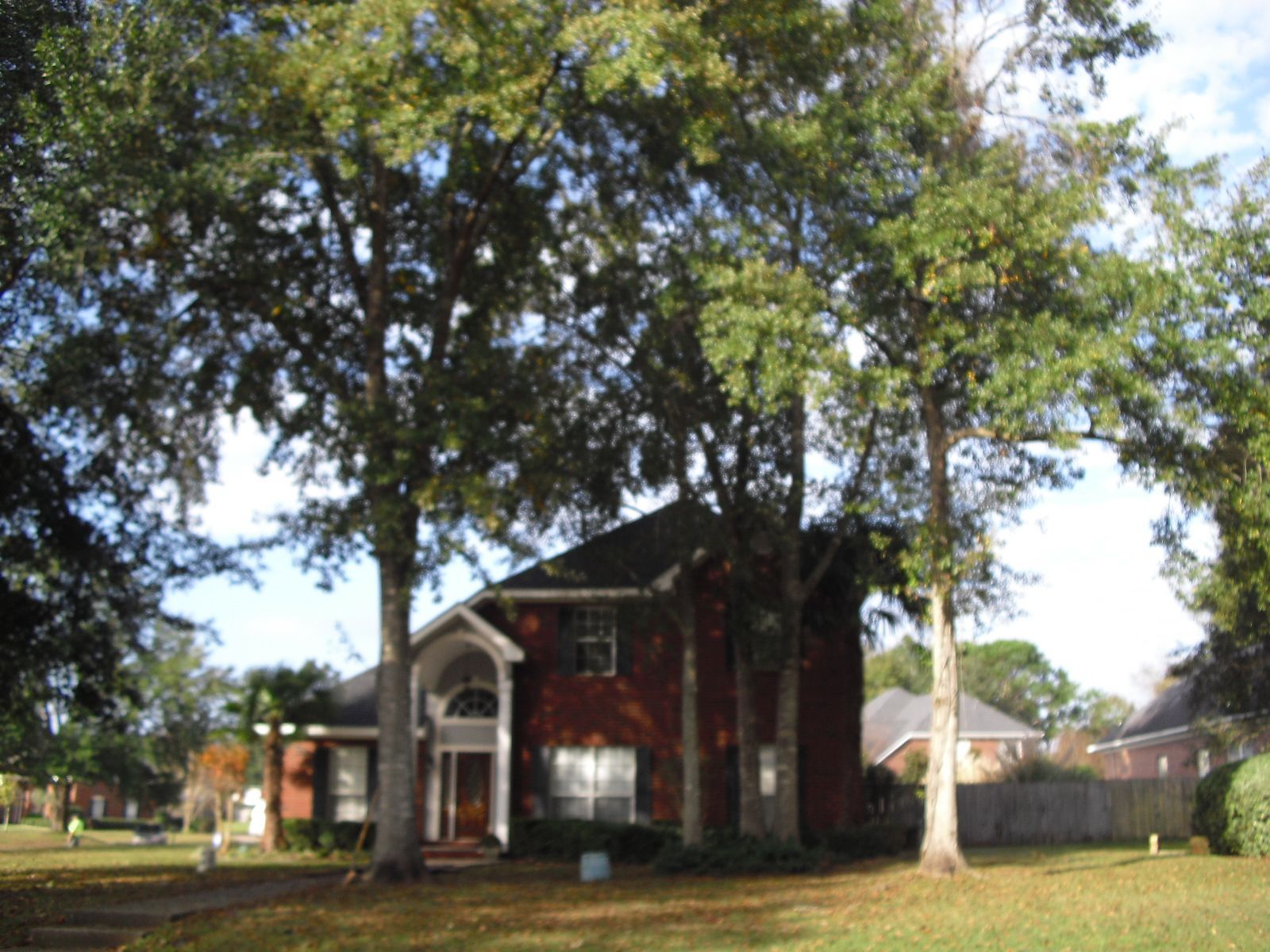
Residential trimming focuses on safety near homes, shade trees, and aesthetic goals. Commercial trimming often includes scheduled maintenance for properties, municipalities, and utility corridors, ensuring ongoing clearance and compliance with local codes.
Affordable options and pricing considerations
Searches like “tree trimming cost” and “affordable tree trimming” are common among our clients. Pricing depends on tree size, number of trees, access, and complexity. Reed’s provides transparent estimates and can structure maintenance plans that spread costs while ensuring regular care.
Safety and insurance
All work is performed by trained crews using protective equipment and safe techniques. Reed’s maintains liability insurance and workers’ compensation. For high-risk jobs we document our safety plan and coordinate with insurers if required.
Frequently Asked Questions (FAQs)
Will trimming damage my tree?
Not when performed correctly. Proper, species-appropriate trimming promotes long-term health. Improper cuts or removing too much of the canopy can stress a tree; we avoid over-cutting and follow best practices.
How often should trees be trimmed?
Many established shade trees benefit from trimming every 3–5 years, while high-impact urban trees might need more frequent maintenance. Young trees may require formative trimming and cuts sooner to develop strong structure.
Can you trim trees near power lines?
We coordinate with utility companies when work is within lines’ clearances. We follow utility safety guidance and use trained crews for safe clearances.
Contact & scheduling
To schedule a tree trimming assessment or get a maintenance plan, call (251) 680-3909. We provide clear, written recommendations and practical scheduling options.